

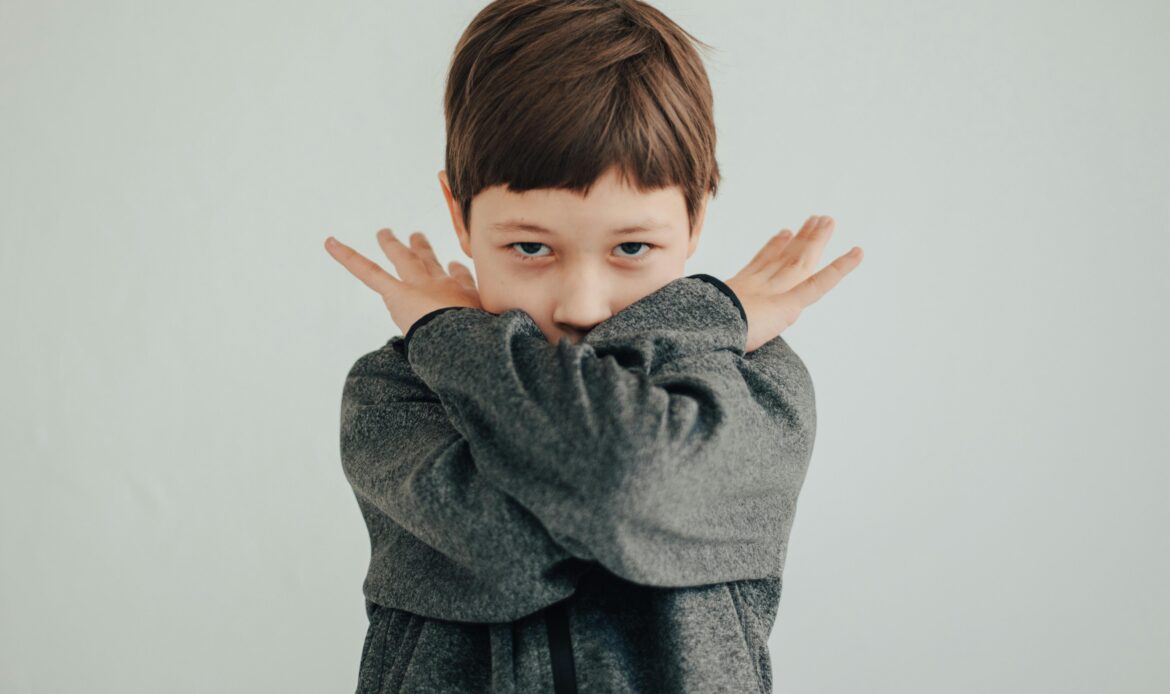
Understanding Behaviour Issues in Children: Looking Beyond ‘Naughty’ Behaviour
When a child acts out, refuses instructions, has emotional outbursts, or struggles to regulate their reactions, they are often labeled as “naughty,” “difficult,” or “defiant.” But behaviour is communication.
Understanding behaviour issues in children requires us to look deeper — beyond surface reactions — and explore what may be happening emotionally, physically, or developmentally.
Children rarely misbehave without reason. Their behaviour often reflects unmet needs, stress, overstimulation, or internal imbalances they don’t yet have the words to explain.
Why Understanding Behaviour Issues in Children Matters
When parents focus on understanding behaviour issues in children rather than labeling them as “naughty,” they often discover deeper emotional or physical triggers behind the behaviour.
Behaviour is communication. By understanding behaviour issues in children early, families can respond with empathy and appropriate support instead of frustration or punishment.
Behaviour Is Communication, Not Character
Children do not wake up planning to be “bad.” Behaviour challenges can stem from:
Emotional overwhelm
Sensory sensitivities
Sleep difficulties
Changes at home or school
Anxiety or fears
Digestive discomfort or physical imbalance
Developmental transitions
When we shift from asking “How do we stop this behaviour?” to “What is this behaviour telling us?” we begin to understand the child rather than simply correcting them.
Common Behaviour Challenges in Children
Parents often seek support for:
Frequent tantrums
Aggression or hitting
Difficulty focusing
Hyperactivity
Withdrawal or oversensitivity
Defiance or oppositional behaviour
Sudden mood changes
While these behaviours can be distressing, they are often signals that a child needs support — not punishment.
The Holistic Perspective on Behaviour
A holistic approach considers the whole child — emotional, physical, and environmental influences combined.
For example:
Poor sleep may increase irritability.
Anxiety can appear as anger.
Sensory overload may look like defiance.
Physical discomfort can show up as mood swings.
Rather than suppressing symptoms, holistic care focuses on restoring balance and supporting emotional regulation naturally.

How Homeopathy Supports Emotional Regulation in Children
Homeopathy is individualized and considers each child’s temperament, sensitivities, and health history.
Instead of focusing solely on behavioural labels, care explores:
Emotional patterns
Triggers and stress responses
Sleep quality
Family dynamics
Physical health factors
This personalized approach allows support to be tailored to the child — not just the behaviour.
If you’d like to learn more about our approach, visit our Children & Teens Homeopathy service page to explore how we support emotional and behavioural wellbeing naturally.
When to Seek Additional Support
If behavioural concerns are:
Persistent
Escalating
Affecting school performance
Creating tension at home
Causing emotional distress
It may be helpful to seek professional guidance. Early support can help children build resilience and improve emotional balance.
For balanced, research-based information on complementary health approaches, families can also explore resources from the National Center for Complementary and Integrative Health (NCCIH):
A Compassionate, Whole-Child Approach
Looking beyond the label of “naughty” opens the door to understanding. Every child has a story behind their behaviour. When we respond with curiosity rather than judgment, we create space for growth and healing.
At ThriveWise Homeopathy in Ottawa, we provide individualized, compassionate support for children and teens experiencing emotional and behavioural challenges.
If you’re ready to explore a gentle, personalized approach to supporting your child’s wellbeing, we invite you to book a consultation today.
Supporting Parents Along the Journey
Behaviour challenges affect the entire family. Parents may feel frustrated, overwhelmed, or unsure of what to try next.
Support should never involve blame. Instead, families benefit from compassionate guidance, practical strategies, and gentle therapeutic support that respects the child’s individuality.
Understanding behaviour issues in children begins with empathy. When children feel understood, safe, and supported, their behaviour often begins to shift naturally.
Ready to Support Your Child with Understanding and Care?
You don’t have to navigate behaviour challenges alone. With the right support, your child can build emotional resilience and confidence.
Schedule a consultation and discover a gentle, individualized approach to supporting your child’s wellbeing.